The First Forty Days
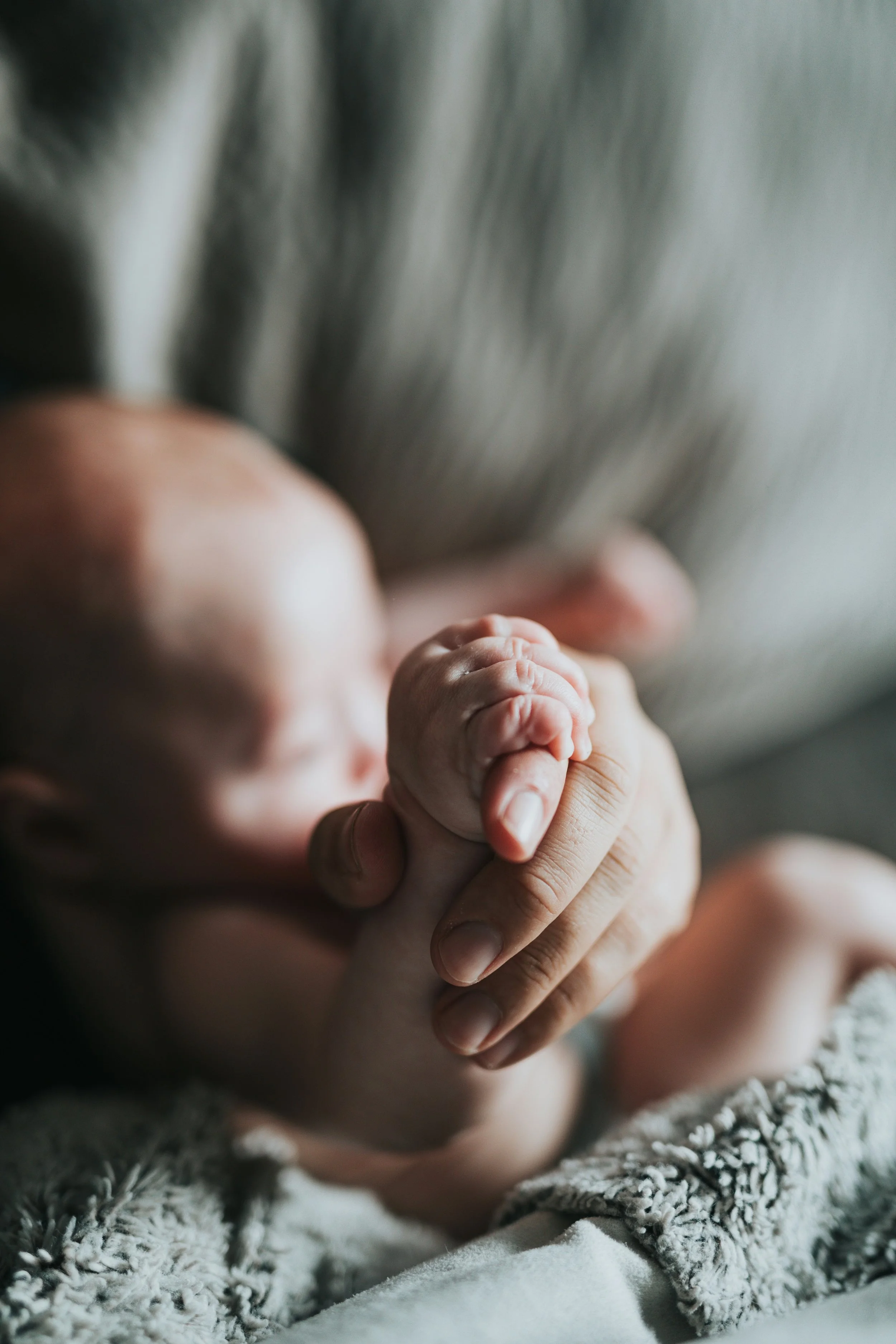
Children are a heritage from the Lord, offspring a reward from him…Blessed is the man whose quiver is full of them.
Psalm 127:3-5
The first forty days after birth—often called the postpartum recovery period or “fourth trimester”—are critical for healing, bonding, and establishing routines. It’s no coincidence that the recovery period is forty days - a number with significance for the Lord. This is a meaningful time - here are some best practices to enjoy the new babe and refuel your body.
Physical Recovery & Rest
Rest as much as possible: Sleep when the baby sleeps. The body is healing from childbirth.
Gentle movement:
Short walks indoors/outdoors
Gentle stretching (neck, shoulders, lower back)
Avoid strenuous exercise until cleared by a doctor (usually 6 weeks for vaginal birth, 8 weeks for C-section)
Get others to make meals for you - no need to be up and cooking until cleared for exercise
Pelvic floor exercises:
Begin gentle Kegels and pelvic relaxation to improve circulation and strengthen pelvic muscles.
Abdominal support:
Consider a postpartum wrap or binder if recommended
Avoid heavy lifting initially
Nutrition & Hydration
Hydrate generously: 2–3 liters of water/day with electrolytes (lemon juice and Redmond’s salt)
Balanced meals:
High-protein foods: eggs, fish, beans, lentils, yogurt
Iron-rich foods: leafy greens, red meat, legumes, liver
Healthy fats: avocado, olive oil, nuts
Whole grains and fiber: oatmeal, brown rice, whole wheat
Fermented foods
Bone and tissue healing:
Calcium-rich foods: dairy, almonds
Vitamin C: citrus, berries, bell peppers (* pair the Vitamin C foods with Iron-rich foodds for best Iron absorbtion)
Bone broth
Collegen
Lactation support (if breastfeeding):
Foods traditionally linked to milk production: oats, leafy greens
Avoid caffeine, alcohol, and pharmaceuticals (if possible)
Postpartum supplementation (after consulting a healthcare provider):
Prenatal vitamins continuation
Iron or vitamin D if deficient
Get a bloodwork panel to identify any deficiencies (check for ferritin, Vitamins B, C, and D, thyroid, and blood count levels)
Great book for more information: The First Forty Days
Self-Care & Healing Practices
Perineal care (if vaginal birth):
Warm sitz baths
Gentle cleaning with warm water
Use of a peri bottle to reduce irritation
Witch hazel
C-section care:
Keep the incision clean and dry
Gentle mobility to avoid stiffness
Continue to roll to one side before getting up from a lying down position
Emotional care:
Track mood and mental health; postpartum blues are common, but seek help if sadness persists
Accept support from partner, family, and community
Light prayer, journaling, or spiritual reading can aid mental well-being
Bonding & Infant Care
Skin-to-skin contact: Promotes bonding and helps regulate the baby’s temperature and breathing
Breastfeeding: On-demand (infant-led) feeding allows for optimal bonding
Gentle baby massage or soothing touch: Use lavender oil and magnesium lotion (non-tingling) to soothe the baby’s nerves
Encourage partner involvement: Sharing care responsibilities reduces maternal stress
Get outdoors: Fresh air and 10 minutes of direct sunshine are good for healing and the baby
Reduce toxin exposure: Buy cleaner fabrics like organic cotton, bamboo, and wool for all play mats, nursery fabrics, bedding, and clothing
Practical Daily Habits
Prioritize sleep: Even short naps help recovery
Ask for help: Accept help with meals, laundry, and chores
Mindful meals: Eat regularly, don’t skip meals. An extra 500 calories are needed for breastfeeding
Hygiene and skin care: Moisturize, care for nipples (lanolin) if breastfeeding, get 5-10 minutes of direct sunshine, especially on the belly and breasts
Spiritual practices: Daily prayer, reflection, journaling, or reading devotional texts to nurture mental and spiritual health
Monitoring & Doctor Follow-up
Check bleeding and healing: Notify the provider if experiencing heavy bleeding, fever, or pain
Watch for signs of postpartum depression or anxiety
Scheduled postpartum visit (usually 6 weeks) to review healing, readiness for sex, and emotional well-being
Avoid flu shots, alcohol, drugs (including prescription if possible), synthetic vitamins, and smoking of any kind
